In today’s modern homes, electricity is often perceived as a passive utility—something that only becomes “active” when a switch is flipped or a button is pressed. However, beneath the surface of our daily routines, a quiet phenomenon known as “phantom power” or “vampire energy” is steadily draining resources and driving up utility costs. While many are aware that unplugging appliances is a good habit, the true impact of this practice on both financial health and home safety is frequently overlooked. To truly embrace efficient living, we need to look beyond the visible glow of a television screen and address the invisible current that runs through our homes 24/7.
Phantom power refers to the electricity consumed by electronic devices when they are turned off or in standby mode. In our increasingly connected world, nearly every modern appliance—from kitchen microwaves to bedroom smart speakers—is designed to be “always ready.” While this convenience is appealing, it comes at a cost. Internal clocks, remote sensors, and standby lights require a steady flow of energy to stay operational. Though the energy consumption of a single phone charger left plugged in may seem insignificant, the cumulative effect of twenty or thirty such devices across a household can account for up to 10% of a monthly electricity bill. Over the course of a year, this “vampire” energy use adds up to a considerable financial drain, providing no real benefit to the homeowner.
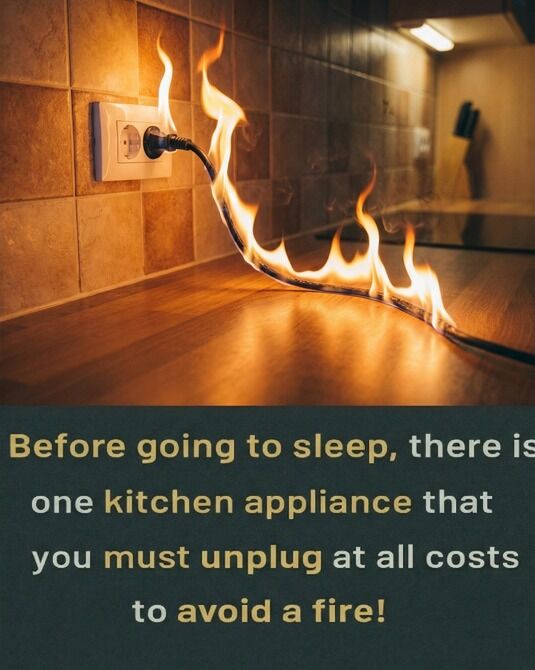
The importance of unplugging goes beyond just saving money—it is also a matter of fire safety and home security. An energized device is a potential risk for malfunction. Heating appliances, such as hair dryers, curling irons, and irons, are known for their high energy consumption and their potential for causing accidents if left plugged in. While many modern devices come with auto-shutoff features, these sensors are not foolproof. A simple malfunction or a local power surge can bypass these safety measures, transforming a forgotten hair straightener into a fire hazard. By physically unplugging these devices, you eliminate the heat source entirely, creating a fail-safe that no smart sensor can replicate.
Similarly, small kitchen appliances carry hidden dangers that develop over time. Toasters and toaster ovens, for example, are common culprits of domestic electrical fires. After months of use, crumbs and debris can accumulate near the heating elements. In older or poorly maintained models, these dry particles can ignite if a minor short circuit occurs while the device is plugged in. Furthermore, the insulation on power cords can degrade over years of bending or tucking behind counters. A plugged-in cord remains “live,” meaning that any damage or fraying can lead to sparks or arcing—even if the appliance itself is turned off.
The scope of mindful unplugging also extends to larger electronics that we often take for granted. Entertainment systems, such as gaming consoles, soundbars, and cable boxes, are among the biggest energy hogs in the typical household. Many of these devices never truly power down; instead, they enter a “low-power” mode to facilitate background updates or ensure quicker startup times. While this feature is convenient, it results in a constant energy drain, adding up to thousands of unnecessary energy hours each year. Even laundry appliances with digital displays and touch-sensitive controls contribute to phantom power when not in use.
Balancing energy efficiency with practicality is one of the challenges homeowners face. It’s not realistic to move heavy furniture every night to unplug the refrigerator or oven. The key to an effective unplugging strategy is identifying “high-impact” targets—devices that are frequently used but left idle for long periods. Coffee makers, desktop computers, and guest room electronics are all ideal candidates for this habit. By focusing on the devices that are easily accessible and often unused, homeowners can achieve maximum results with minimal disruption to their daily routine.
To make this process easier, technological tools can help streamline the transition. Power strips with on-off switches are among the most effective energy-saving tools. By grouping entertainment devices—such as the TV, gaming console, and speakers—onto a single power strip, you can disconnect the entire system with one simple press of a button before going to bed. For those seeking a more automated approach, smart plugs and timers can be set to cut power during the hours when you are typically out of the house or sleeping. These small investments will pay for themselves in energy savings within just a few months.
Incorporating these habits into daily life can also trigger a shift in how we think about the environment around us. By making the effort to “power down” your home before leaving or going to sleep, you engage in a form of environmental mindfulness. This encourages greater awareness of how we consume resources and fosters the mindset that we are active caretakers of our own living spaces. The sense of control that comes with this practice brings peace of mind, knowing that your home is as safe and efficient as possible while you’re away.
Ultimately, the act of unplugging offers a trifecta of benefits: reduced utility bills, improved safety, and a smaller carbon footprint. In an age when energy prices are unpredictable and environmental responsibility is more critical than ever, these small “micro-habits” lay the foundation for a responsible household. The few seconds it takes to unplug an appliance is a small price to pay for long-term savings and security. By eliminating the “vampires” that lurk in our walls, we protect our finances, our families, and the planet—one outlet at a time.