
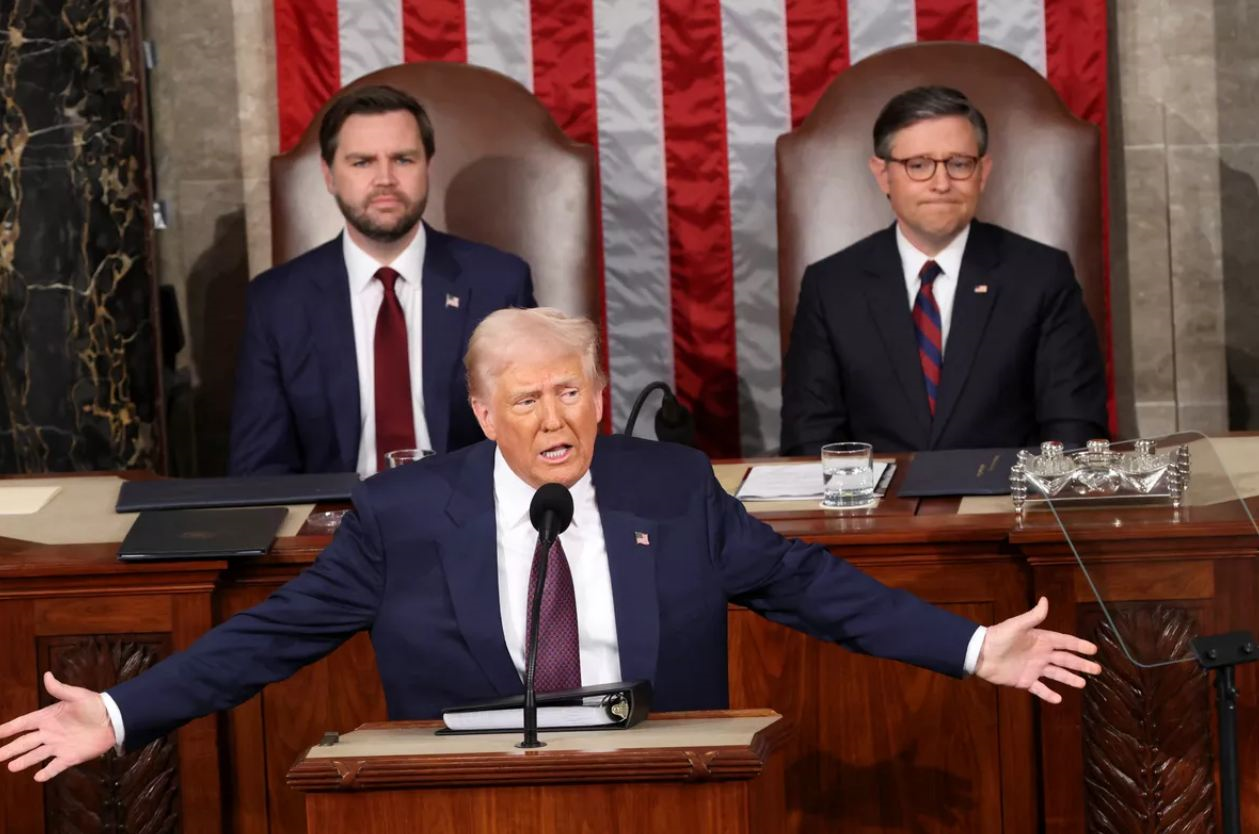
WASHINGTON, Jan. 19, 2026 — As President Donald J. Trump navigates the early months of his second term, Democratic lawmakers in the House of Representatives have intensified calls for his impeachment, building on resolutions introduced last year that accuse him of a range of high crimes and misdemeanors. While no new articles have been filed in the past 24 hours, the push reflects ongoing tensions over the administration’s policies on immigration, foreign affairs and judicial independence.
The most comprehensive set of charges stems from H. Res. 353, introduced on April 28, 2025, by Representative Shri Thanedar, Democrat of Michigan. The resolution outlines seven articles of impeachment, including obstruction of justice, usurpation of congressional appropriations power, abuse of trade powers and international aggression, violation of First Amendment rights, creation of an unlawful office, bribery and corruption, and tyranny. Mr. Thanedar, in announcing the measure, described Mr. Trump as “unfit to serve” and a “clear and present danger” to the Constitution, citing actions such as defiance of court orders, misuse of the Justice Department and alleged political corruption.
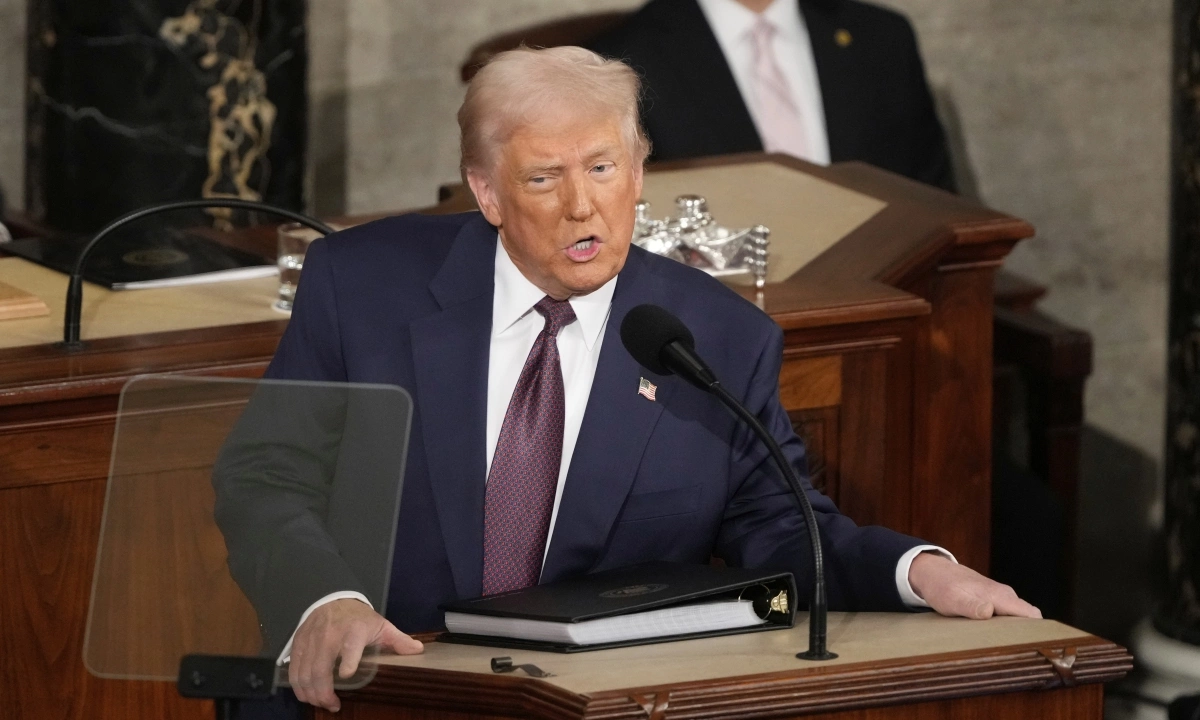
The resolution has not advanced to a full House vote, but it has garnered support from progressive Democrats amid broader controversies. In December 2025, Representative Al Green, Democrat of Texas, forced a vote on a separate two-article impeachment resolution accusing Mr. Trump of abusing power by threatening lawmakers and intimidating judges. That measure was tabled by a vote of 237 to 140, with 140 Democrats voting against tabling — a symbolic show of opposition that Mr. Green called a “moral victory.” The articles referenced Mr. Trump’s response to a video by Democratic lawmakers urging military personnel to disobey unlawful orders and his social media attacks on judges, which critics say have incited threats against the judiciary.
Democratic leaders, including Speaker Hakeem Jeffries, have been cautious about pursuing impeachment without a House majority, which Republicans currently hold by a slim margin. “We are focused on the midterms,” one senior Democratic aide said, speaking on condition of anonymity to discuss internal strategy. Mr. Trump himself has warned Republicans that losing the House in November could lead to his third impeachment, telling lawmakers at a January 6 retreat, “If we don’t win the midterms, I will get impeached.”
The calls for accountability have been fueled by recent events, including the U.S. military operation in Venezuela that captured President Nicolás Maduro, which some Democrats argue violated international law and congressional oversight. Additionally, the deployment of federal agents to cities like Minneapolis has drawn scrutiny after an Immigration and Customs Enforcement officer fatally shot a U.S. citizen, Renee Nicole Good, sparking protests and separate impeachment articles against Homeland Security Secretary Kristi Noem.
Legal experts note that impeachment is a political process, not a criminal one, and does not directly lead to jail time. Removal from office would require a two-thirds Senate vote, an unlikely outcome given the chamber’s composition. However, parallel criminal investigations by the Justice Department — including those related to Mr. Trump’s past efforts to challenge election results — could result in charges post-presidency. Mr. Trump was impeached twice during his first term: in 2019 for abuse of power related to Ukraine and in 2021 for incitement of insurrection following the Jan. 6 Capitol attack. The Senate acquitted him both times.
The White House has dismissed the impeachment talk as partisan theater. “This is another witch hunt by Democrats who can’t accept the will of the people,” a spokesperson said in a statement. Mr. Trump has echoed this on Truth Social, calling the efforts “a hoax” and rallying his base ahead of the midterms.
As speculation swirls online — with viral videos and posts amplifying claims of imminent action — congressional Democrats emphasize that any formal proceedings would require strategic timing. For now, the resolutions serve as a rallying cry, underscoring the deep partisan divide in Washington.
Recent social media discussions, including posts from Jan. 16 questioning ongoing votes, highlight public interest but confirm no new developments in the past day. Analysts predict the issue could dominate the 2026 midterm campaigns, framing the elections as a referendum on Mr. Trump’s leadership.
The Justice Department and congressional offices did not respond to requests for additional comment on potential criminal referrals.