How movie theaters espond when nobody buys a ticket as Melania film showing gets zero bookings – Embarrassing plan to save Melanias new film as she is mocked online over empty theaters
The premiere of the documentary Melania was intended to be a cinematic event celebrating one of the most enigmatic figures in modern American political history. Released in late January 2026, the film aimed to lift the curtain on Melania Trump’s life, offering what she herself described as an “intimate” and “extraordinary” look at her journey and responsibilities. However, when the documentary officially reached U.S. theaters on January 30, attention quickly shifted from the glamour of the screen to the sobering reality of box office performance. Despite high-profile support and a major licensing deal, the film’s debut was accompanied by reports of empty theaters, “zero bookings,” and hurried behind-the-scenes efforts to protect the project’s public image.
The documentary’s origins trace back to the final weeks of 2024, just before Donald Trump’s second inauguration. Amazon reportedly acquired the licensing rights for approximately $40 million, a figure that signaled expectations of a major cultural moment. During production, Melania Trump presented the film as a necessary correction to the public’s perception of her. In an interview with Fox, she emphasized that the documentary would reveal how demanding and intense her daily life truly was—an aspect she believed the public had not fully understood. Initially scheduled for release in late 2025, the film was postponed to January 30, 2026, strategically timed to coincide with the one-year anniversary of the administration’s return to Washington.
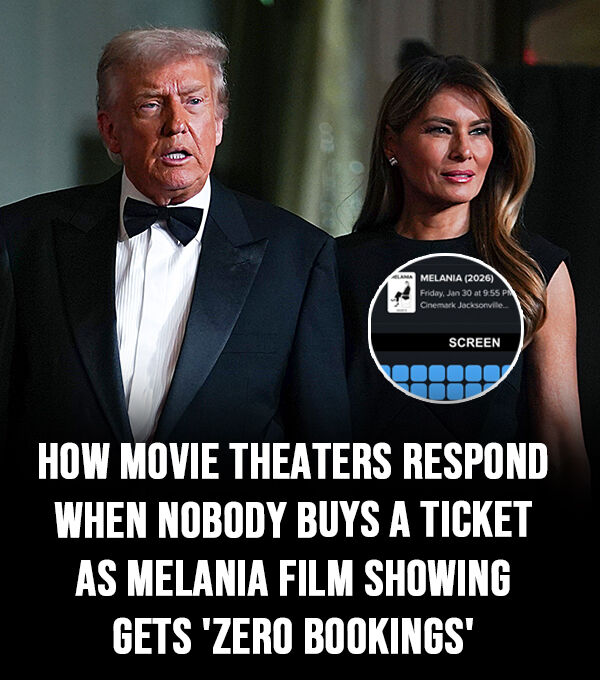
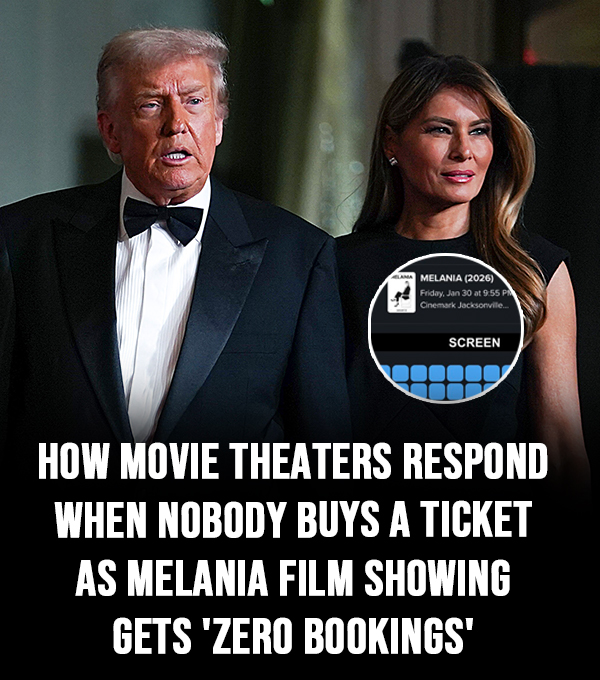
Donald Trump, known for his relentless promotional style, took to social media platforms such as X to generate enthusiasm, calling the film a “must-watch” and claiming tickets were selling rapidly. Yet as the premiere approached, digital booking systems painted a very different picture. Social media users shared screenshots from theater chains across the country showing auditoriums with most seats still available. In some areas, entire daytime and evening screenings remained completely unbooked. The contrast between triumphant rhetoric and visibly empty theaters quickly became the subject of online ridicule, with critics describing the rollout as a stark disconnect between political influence and genuine public interest.
According to reports, weak ticket sales prompted an “emergency” response from Republican-affiliated groups. Entertainment journalist Rob Shuter reported that a coordinated effort was underway to artificially fill seats. Writing on his Substack, he claimed that local GOP clubs in conservative regions were instructed to purchase large blocks of tickets or sponsor entire screenings to prevent theaters from appearing empty during opening weekend. One industry source described the move as a purely cosmetic tactic, noting that “empty theaters look terrible” for a brand built on perceived popularity. Additional allegations suggested tickets were being distributed for free or at steep discounts through partisan websites, leading some observers to characterize the screenings as a loyalty test rather than a traditional moviegoing experience.
The situation also shed light on the practical realities of modern theater management. When a film like Melania sells no tickets for a scheduled screening, theaters face operational decisions. Former theater employees sharing experiences on Reddit explained that practices vary: during daytime hours, films may still run automatically in empty auditoriums, while late-night or low-traffic screenings often prompt managers to shut down the projector to save costs, restarting it only if a customer arrives at the last minute. These so-called “ghost screenings” are a common reality for box office failures and are often favored by cleaning crews, as the rooms require no maintenance between showings.
Despite disappointing numbers, the Trump camp has continued to project an image of success and prestige. On January 25, just days before the wide release, a private screening was held at the White House. Melania Trump described the event on X as a “historic moment,” stating that she felt “deeply humbled” to be surrounded by “cultural iconoclasts” and family. In these posts, the documentary was framed not as a commercial product but as a contribution of lasting personal and historical value. For her most loyal supporters, this narrative remains intact, viewing the film as a testament to her grace and the challenges she has endured.
The broader public reaction, however, has been marked by skepticism. Many analysts argue that political documentary fatigue has reached its peak. After more than a decade of continuous exposure to the Trump family’s media cycle, even a $40 million Amazon-backed project struggles to attract viewers beyond its core supporters. Melania arrives at a time when American media consumption is deeply polarized: for some, it is an essential account of a First Lady’s experience; for others, it is a carefully curated public relations effort that fails to deliver the genuine intimacy it promises.
As the film enters its first full week of nationwide screenings, its ultimate fate remains uncertain. While coordinated ticket purchases may temporarily boost attendance figures, the organic demand that sustains long-term theatrical success appears to be lacking. The coming days will deliver a final verdict—whether the documentary finds renewed momentum through curiosity and continued promotion, or whether it becomes one of the year’s most expensive and visible box office misfires. For now, Melania stands as a revealing case study in the limits of political branding, where even the loudest endorsements from the most powerful figures cannot always fill a quiet, empty theater.