Fear doesn’t arrive with sirens blaring. It seeps in quietly, headline by headline, until the sky itself feels thinner. Leaders promise peace while rehearsing for war. Ordinary people are left decoding every speech, every exercise, every “routine” alert. Are we drifting toward disaster, or trapped in a theater of deterrence? The answer may depe… Continues…
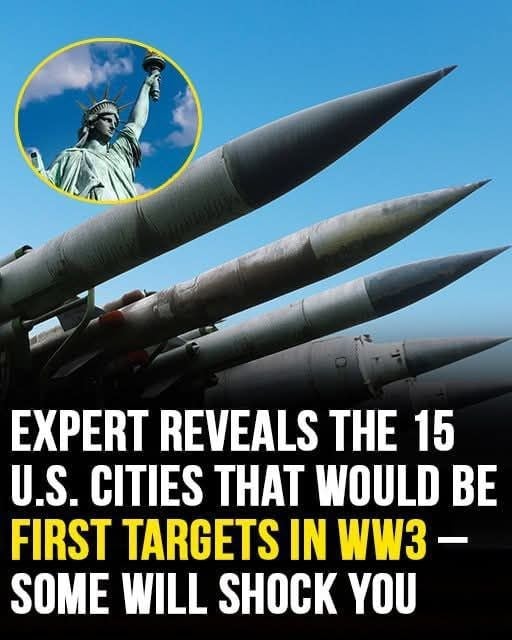
The modern anxiety over large-scale war grows from a thousand subtle signals rather than a single breaking point. Sharper rhetoric, fraying alliances, and visible military posturing feed a sense that the margin for error is shrinking. Strategic planners talk in clinical terms about command centers, missile fields, and naval assets, yet those maps overlap with neighborhoods, schools, and ordinary lives. The cold logic of deterrence collides with the warm reality of human vulnerability.
And still, the story is not fated to end in catastrophe. Layers of surveillance, hotlines, and arms agreements exist precisely because past generations stared into the abyss and chose restraint. Near-misses and close calls have left a quiet legacy:
a recognition among rivals that miscalculation could be irreversible. In this fragile balance, peace depends less on the absence of weapons than on the presence of judgment — leaders willing to step back, listen carefully, and value tomorrow more than today’s display of strength.READ MORE BELOW