Share
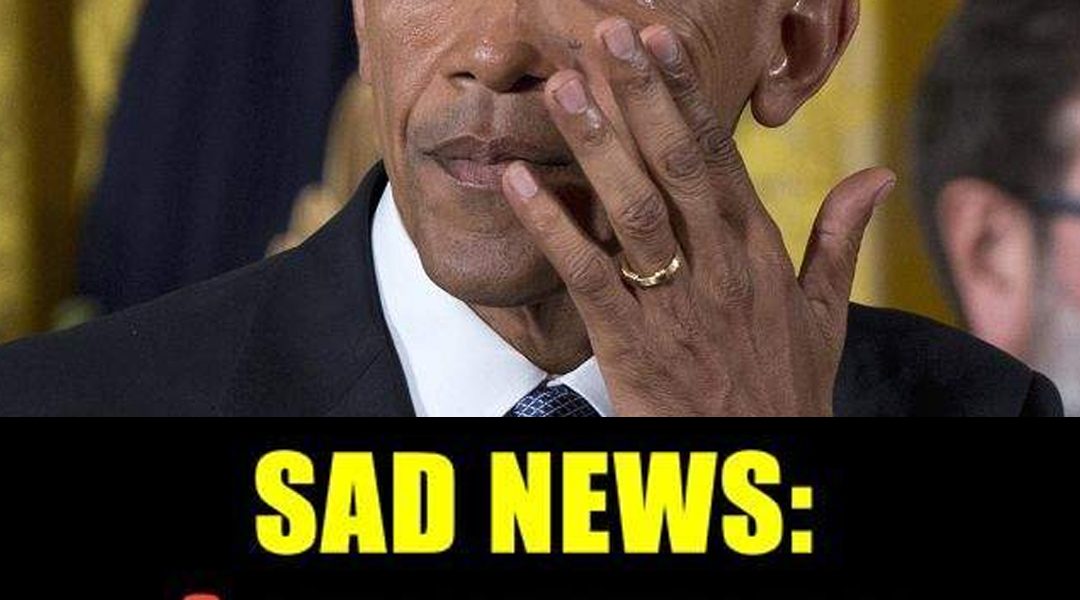
A recent public appearance by Barack Obama drew attention in Washington, not for its political messaging, but for its tone. During a speech reflecting on his time in office, he spoke about the weight of leadership in a way that felt measured and personal rather than rhetorical.
At one point, he paused, slowing his delivery as he described the kinds of decisions that stay with a person long after leaving public life. He referenced the individuals he encountered, the consequences of choices made under pressure, and the moments that continue to linger beyond any official role. The emphasis was not on policy or debate, but on experience—what it means to carry responsibility over time.
Those in attendance noted the shift in tone. Instead of the structured cadence often associated with political speeches, his words came across as more reflective, offering a glimpse into the emotional dimension of leadership that is rarely expressed so directly. It was a reminder that public service, at its highest levels, extends beyond strategy and communication, reaching into the personal cost of decision-making.
The moment did not seek to advance an argument or revisit political divides. Rather, it highlighted a quieter reality: that leadership is not only defined by the time spent in office, but by how its weight continues to be felt afterward. In that sense, what was shared was less about politics and more about responsibility—and the way it remains with a person long after the role itself has ended.