Inside that shattered cabin, terror and tenderness lived side by side. Jack Cabot remembers the bang, the darkness, the blood on the face of the stranger beside him — and then, just as clearly, the way people began to move for each other. Passengers formed a line at the exit, shared coats, wiped blood with spare masks, and made space for the most injured. A British woman refused to leave a terrified little girl traveling alone. No one had training. They had each other.
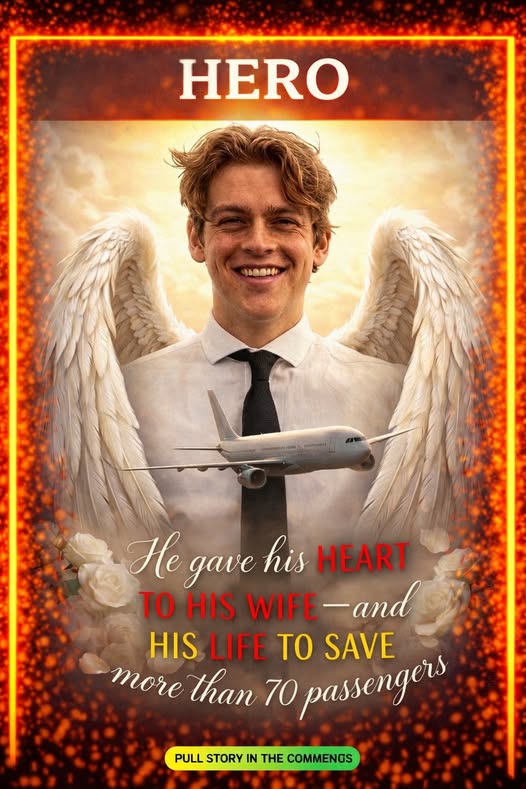
Outside, the cost became impossible to ignore. Two pilots — including captain Antoine Forest, who once posted a photo from the sky asking, “Why I want to be a pilot?” — were gone. Survivors now talk about them as heroes who “saved everybody on that plane,” guiding it through those final, impossible seconds. Forest’s old image of a wing over autumn earth has become an accidental memorial, a glimpse of a man who loved the sky long before his name was in the news. Between the cockpit sacrifice and the quiet bravery in the cabin, this tragedy is no longer just a crash report. It is a story of people who were terrified, who “messed up,” who tried, who failed, and who still reached for one another in the dark.