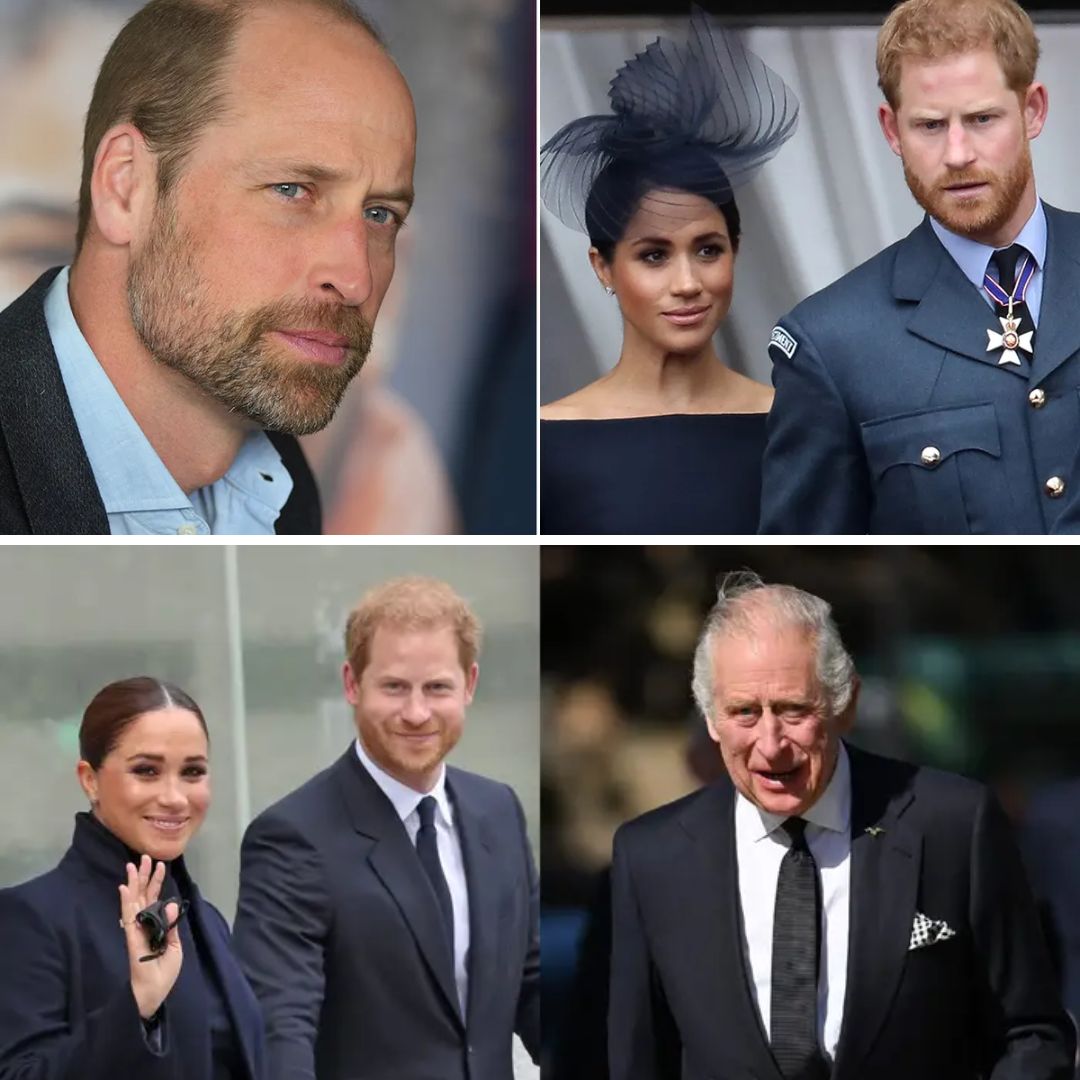
The ongoing narrative surrounding Prince Harry’s potential return to the United Kingdom this summer has taken a dramatic turn, shifting from a story of possible reconciliation to one of control, strategy, and carefully managed outcomes. At the heart of the speculation lies a rumored meeting between Harry and King Charles—an encounter that, for many, symbolized a chance to repair a fractured relationship. But as the story has evolved, so too has the interpretation of what may truly be at stake.
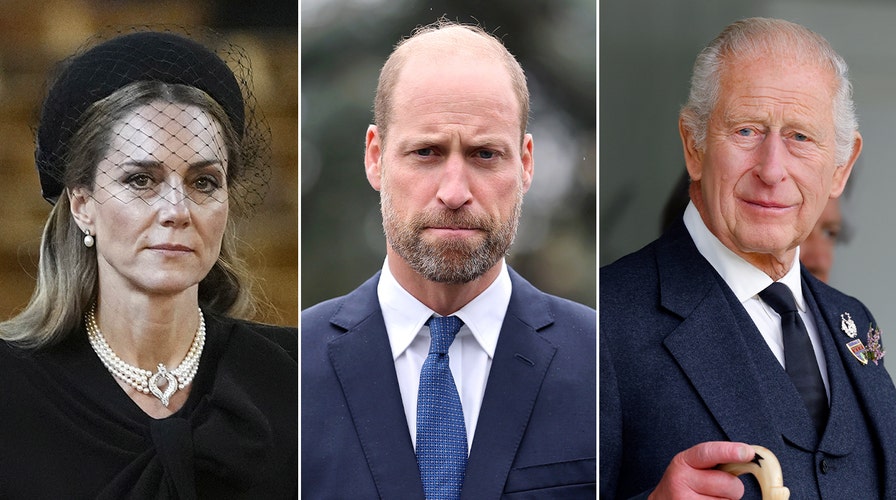
The rapid spread of reports about this “fateful meeting” has drawn significant media attention, placing the royal family under an intense spotlight once again. Headlines and commentary have fueled expectations that a private reunion between father and son could be imminent. However, the way in which this narrative has unfolded has led some royal observers to question whether the momentum behind it was entirely spontaneous.
Several commentators suggest that the widespread coverage may reflect a familiar pattern often associated with the Sussexes—leveraging media visibility to create indirect pressure on the monarchy. By allowing speculation to build publicly, the Palace could be placed in a position where refusing or delaying a meeting might be interpreted negatively. “In today’s media climate, perception can become a form of leverage,” one analyst explained. “If the public believes something is about to happen, it becomes harder to quietly step away from it.”

This interpretation has gained traction among readers who see the situation as more than just a personal effort at reconciliation. For them, the timing and framing of the reports raise questions about intent. “It feels orchestrated,” one online comment noted. “If this was purely about family, why is the entire world hearing about it before it even happens?” Such sentiments reflect a growing skepticism among segments of the public.
Yet the situation inside the Palace appears far more controlled than the headlines might suggest. While the royal family has largely maintained public silence, reports indicate that Prince William has taken a decisive role in shaping how any potential meeting would unfold. Rather than rejecting the idea outright, he is believed to have supported a more structured approach—one that fundamentally alters the dynamics of the situation.
Under this framework, any interaction between Harry and King Charles would not take place as a private, one-on-one meeting. Instead, it would occur within a broader family setting, reducing the possibility of exclusive access or narrative control. This shift is widely viewed as a strategic move, designed to protect the institution while still allowing for the appearance of openness.
“It’s a smart compromise,” one royal expert observed. “You’re not closing the door, but you’re making sure it doesn’t open in a way that creates new problems.” By removing the option of a private meeting, William effectively limits the potential for any conversation to be later interpreted or presented in a selective manner. In doing so, he reasserts control over both the process and its possible outcomes.
Public reaction to this development has been mixed, reflecting broader divisions in how Harry and Meghan are perceived. Some readers express frustration, arguing that the situation has become unnecessarily complicated. “At the end of the day, it’s still a father and son,” one comment read. “Why does everything have to be so strategic?” This perspective emphasizes the emotional dimension of the story, highlighting the human element behind the headlines.
Others, however, view the Palace’s approach as both necessary and justified. “There’s too much history now for anything to be simple,” another observer wrote. “You can’t ignore everything that’s been said publicly.” This viewpoint underscores the lasting impact of past interviews, documentaries, and public statements that have contributed to the current state of relations.
King Charles’s position appears to align with this more cautious approach. While there is no indication that he has refused contact with his son entirely, there is also little evidence to suggest that he is willing to engage under conditions shaped by external pressure. His reported stance reflects a balance between personal considerations and the broader responsibilities of his role.
For Harry, this represents a significant shift in circumstances. If the intention was to create momentum through media attention, that momentum has now been redirected. The focus is no longer on whether a meeting will happen, but on the terms under which it might take place—and who ultimately controls those terms.
What emerges from this situation is a clear illustration of how modern royal dynamics operate. Personal relationships, while important, are inseparable from the institution itself. Every decision carries implications that extend far beyond the individuals involved, influencing public perception, stability, and the monarchy’s long-term image.
William’s intervention, though subtle, has had a decisive impact. By redefining the framework of engagement, he has effectively ended any possibility of a private, uncontrolled reunion—at least for now. In doing so, he sends a clear message: within the royal family, control is not easily relinquished, and no strategy—no matter how carefully constructed—can override the structure that defines it.
As the summer approaches, the question remains whether Harry will return and under what circumstances any meeting might occur. But one thing is certain: whatever happens next will unfold not under pressure, but within boundaries firmly set by those determined to remain in control.