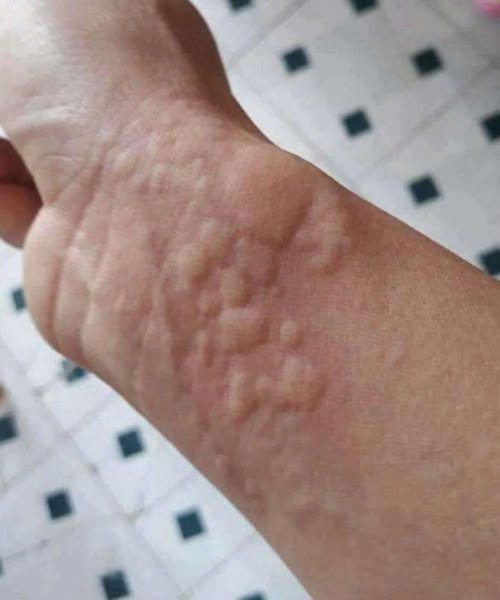

When Hives and Breathing Changes Appear Together: A Warning Sign You Should Never Ignore
When Hives and Breathing Changes Appear Together: A Warning Sign You Should Never Ignore
Introduction: When a Skin Reaction Signals Something More Serious
At first glance, hives may seem like a minor issue—a temporary skin reaction that causes itching, redness, and discomfort. Many people have experienced them at some point in their lives, often brushing them off as a simple allergic response to food, weather, or stress.
But sometimes, hives are not just a surface problem.
When they appear alongside symptoms like chest tightness, throat discomfort, wheezing, or swelling of the lips and face, they can signal something far more serious: a potentially life-threatening allergic reaction known as Anaphylaxis.
Understanding the difference between a mild reaction and a dangerous one can make all the difference.
What Are Hives?
Hives, medically known as Urticaria, are raised, itchy welts that can appear anywhere on the body. They may vary in size, shape, and duration.
Common triggers include:
- Certain foods (such as nuts, shellfish, or eggs)
- Medications
- Insect stings
- Environmental factors like pollen or temperature changes
- Stress or infections
In many cases, hives are harmless and disappear on their own or with simple treatment.
But when they are accompanied by other symptoms, they should never be ignored.
When Hives Become a Warning Sign
Hives alone are usually not dangerous. However, when they occur together with changes in breathing or swelling, they may be part of a larger systemic reaction.
This is where concern shifts from discomfort to urgency.
Symptoms to watch for include:
- Tightness in the chest
- Difficulty breathing or shortness of breath
- Wheezing sounds while breathing
- Swelling of the lips, tongue, or face
- A feeling of the throat closing
- Dizziness or faintness
When these symptoms appear together, they may indicate Anaphylaxis—a condition that requires immediate medical attention.
What Is Anaphylaxis?
Anaphylaxis is a severe, rapid allergic reaction that affects multiple systems in the body.
It occurs when the immune system overreacts to a trigger, releasing chemicals that can cause:
- Airway constriction
- Sudden drop in blood pressure
- Skin reactions like hives
- Gastrointestinal symptoms
- Cardiovascular stress
This reaction can escalate quickly—sometimes within minutes.
Without prompt treatment, it can become life-threatening.
Why It Can Happen Unexpectedly
One of the most surprising aspects of severe allergic reactions is that they can occur even if you have never had a problem before.
You might:
- Eat a food you’ve eaten for years
- Take a medication you’ve used before
- Be exposed to an environment you’re familiar with
And suddenly, your body reacts differently.
The immune system is not static—it evolves over time. Sensitivities can develop quietly, without warning, until one day the reaction becomes severe.
This unpredictability is what makes awareness so important.
The Role of the Immune System
The immune system is designed to protect the body from harmful substances.
However, in allergic reactions, it misidentifies something harmless as a threat.
This triggers a cascade of responses, including the release of histamine and other chemicals, which lead to symptoms like swelling, itching, and airway constriction.
In the case of Anaphylaxis, this response becomes widespread and intense.
Recognizing the Early Signs
Early recognition can save lives.
The combination of hives and breathing changes is one of the clearest warning signals.
Even if symptoms seem mild at first, they can escalate quickly.
Key signs to take seriously:
- Sudden onset of symptoms
- Rapid progression
- Multiple body systems affected at once
If there is any doubt, it is always safer to treat the situation as urgent.
What to Do in an Emergency
If you or someone else experiences symptoms that may indicate Anaphylaxis, immediate action is critical.
Steps to take:
1. Call Emergency Services
Do not wait to see if symptoms improve.
2. Use an Epinephrine Auto-Injector (If Available)
Medications like an epinephrine injector can quickly counteract severe allergic reactions.
3. Stay With the Person
Monitor breathing and consciousness.
4. Avoid Delays
Time is a key factor in managing severe reactions.
Taking action quickly can significantly improve outcomes.
Why Epinephrine Matters
Epinephrine is the first-line treatment for severe allergic reactions.
It works by:
- Opening the airways
- Improving blood pressure
- Reducing swelling
For individuals with known severe allergies, carrying an auto-injector can be life-saving.
Even for those without a known history, awareness of its importance is valuable.
Special Considerations After 60
As people age, their bodies may respond differently to health changes.
For individuals over 60:
- Symptoms may be less typical
- Recovery may take longer
- Underlying health conditions may increase risk
Listening to your body becomes especially important.
What might feel like a minor issue could be something more serious.
Paying attention to unusual symptoms is not overreacting—it is a form of self-care.
The Emotional Side of Health Awareness
Experiencing sudden symptoms can be frightening.
It’s natural to hesitate, question, or hope the situation will resolve on its own.
But when it comes to potential allergic reactions, hesitation can increase risk.
Understanding the signs and knowing when to act helps replace fear with confidence.
Prevention and Preparedness
While not all reactions can be prevented, there are steps that can reduce risk:
- Be aware of known allergies
- Read food and medication labels carefully
- Inform healthcare providers of any sensitivities
- Carry prescribed medications if needed
- Educate family and friends about warning signs
Preparedness can make a critical difference.
Sharing Knowledge Saves Lives
One of the most powerful tools in health awareness is information.
Many people do not realize that hives combined with breathing changes can indicate a medical emergency.
By sharing this knowledge, you may help someone recognize symptoms in time to act.
Sometimes, awareness is the first step toward prevention.
Conclusion: Trust What Your Body Is Telling You
Hives may start as a simple skin reaction—but when combined with breathing changes, they can signal something much more serious.
Anaphylaxis is a condition that requires immediate attention, and recognizing the warning signs can save lives.
If there is one takeaway, it is this:
Do not ignore what your body is telling you.
Acting quickly is not panic—it is protection.
And sometimes, that decision can make all the difference.
Introduction: When a Skin Reaction Signals Something More Serious
At first glance, hives may seem like a minor issue—a temporary skin reaction that causes itching, redness, and discomfort. Many people have experienced them at some point in their lives, often brushing them off as a simple allergic response to food, weather, or stress.
But sometimes, hives are not just a surface problem.
When they appear alongside symptoms like chest tightness, throat discomfort, wheezing, or swelling of the lips and face, they can signal something far more serious: a potentially life-threatening allergic reaction known as Anaphylaxis.
Understanding the difference between a mild reaction and a dangerous one can make all the difference.
What Are Hives?
Hives, medically known as Urticaria, are raised, itchy welts that can appear anywhere on the body. They may vary in size, shape, and duration.
Common triggers include:
- Certain foods (such as nuts, shellfish, or eggs)
- Medications
- Insect stings
- Environmental factors like pollen or temperature changes
- Stress or infections
In many cases, hives are harmless and disappear on their own or with simple treatment.
But when they are accompanied by other symptoms, they should never be ignored.
When Hives Become a Warning Sign
Hives alone are usually not dangerous. However, when they occur together with changes in breathing or swelling, they may be part of a larger systemic reaction.
This is where concern shifts from discomfort to urgency.
Symptoms to watch for include:
- Tightness in the chest
- Difficulty breathing or shortness of breath
- Wheezing sounds while breathing
- Swelling of the lips, tongue, or face
- A feeling of the throat closing
- Dizziness or faintness
When these symptoms appear together, they may indicate Anaphylaxis—a condition that requires immediate medical attention.
What Is Anaphylaxis?
Anaphylaxis is a severe, rapid allergic reaction that affects multiple systems in the body.
It occurs when the immune system overreacts to a trigger, releasing chemicals that can cause:
- Airway constriction
- Sudden drop in blood pressure
- Skin reactions like hives
- Gastrointestinal symptoms
- Cardiovascular stress
This reaction can escalate quickly—sometimes within minutes.
Without prompt treatment, it can become life-threatening.
Why It Can Happen Unexpectedly
One of the most surprising aspects of severe allergic reactions is that they can occur even if you have never had a problem before.
You might:
- Eat a food you’ve eaten for years
- Take a medication you’ve used before
- Be exposed to an environment you’re familiar with
And suddenly, your body reacts differently.
The immune system is not static—it evolves over time. Sensitivities can develop quietly, without warning, until one day the reaction becomes severe.
This unpredictability is what makes awareness so important.
The Role of the Immune System
The immune system is designed to protect the body from harmful substances.
However, in allergic reactions, it misidentifies something harmless as a threat.
This triggers a cascade of responses, including the release of histamine and other chemicals, which lead to symptoms like swelling, itching, and airway constriction.
In the case of Anaphylaxis, this response becomes widespread and intense.
Recognizing the Early Signs
Early recognition can save lives.
The combination of hives and breathing changes is one of the clearest warning signals.
Even if symptoms seem mild at first, they can escalate quickly.
Key signs to take seriously:
- Sudden onset of symptoms
- Rapid progression
- Multiple body systems affected at once
If there is any doubt, it is always safer to treat the situation as urgent.
What to Do in an Emergency
If you or someone else experiences symptoms that may indicate Anaphylaxis, immediate action is critical.
Steps to take:
1. Call Emergency Services
Do not wait to see if symptoms improve.
2. Use an Epinephrine Auto-Injector (If Available)
Medications like an epinephrine injector can quickly counteract severe allergic reactions.
3. Stay With the Person
Monitor breathing and consciousness.
4. Avoid Delays
Time is a key factor in managing severe reactions.
Taking action quickly can significantly improve outcomes.
Why Epinephrine Matters
Epinephrine is the first-line treatment for severe allergic reactions.
It works by:
- Opening the airways
- Improving blood pressure
- Reducing swelling
For individuals with known severe allergies, carrying an auto-injector can be life-saving.
Even for those without a known history, awareness of its importance is valuable.
Special Considerations After 60
As people age, their bodies may respond differently to health changes.
For individuals over 60:
- Symptoms may be less typical
- Recovery may take longer
- Underlying health conditions may increase risk
Listening to your body becomes especially important.
What might feel like a minor issue could be something more serious.
Paying attention to unusual symptoms is not overreacting—it is a form of self-care.
The Emotional Side of Health Awareness
Experiencing sudden symptoms can be frightening.
It’s natural to hesitate, question, or hope the situation will resolve on its own.
But when it comes to potential allergic reactions, hesitation can increase risk.
Understanding the signs and knowing when to act helps replace fear with confidence.
Prevention and Preparedness
While not all reactions can be prevented, there are steps that can reduce risk:
- Be aware of known allergies
- Read food and medication labels carefully
- Inform healthcare providers of any sensitivities
- Carry prescribed medications if needed
- Educate family and friends about warning signs
Preparedness can make a critical difference.
Sharing Knowledge Saves Lives
One of the most powerful tools in health awareness is information.
Many people do not realize that hives combined with breathing changes can indicate a medical emergency.
By sharing this knowledge, you may help someone recognize symptoms in time to act.
Sometimes, awareness is the first step toward prevention.
Conclusion: Trust What Your Body Is Telling You
Hives may start as a simple skin reaction—but when combined with breathing changes, they can signal something much more serious.
Anaphylaxis is a condition that requires immediate attention, and recognizing the warning signs can save lives.
If there is one takeaway, it is this:
Do not ignore what your body is telling you.
Acting quickly is not panic—it is protection.
And sometimes, that decision can make all the difference.