DEATH IN THE BAG WHY YOUR FAVORITE HEALTHY SNACK IS SECRETLY POISONING YOUR ENTIRE FAMILY
Nowadays, the pursuit of wellness has taken center stage in our day-to-day choices. We search social media feeds for the newest superfood trends that promise life and energy, search the aisles of grocery stores for organic labels, and look for non-GMO certifications. But there is a darker, more pernicious reality hidden behind this polished façade of health-conscious consumerism. A far more pressing threat is lurking in our pantries while we are preoccupied with the next worldwide pandemic or a well-publicized viral epidemic. The “Seeds in Your Snack” fad is more than simply a catchy warning; it’s a terrifying look at how the global food supply chain has turned into a haven for unseen threats that evade our most fundamental self-preservation instincts.
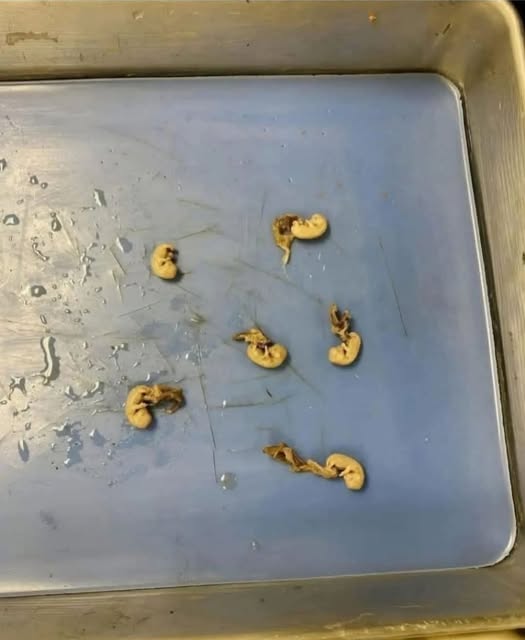
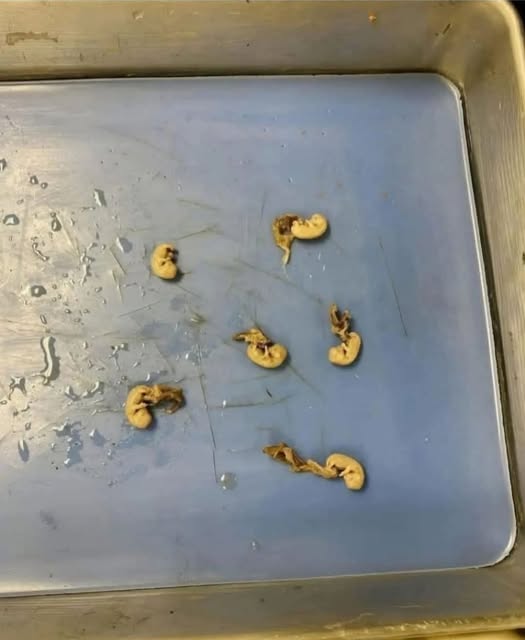
Food safety stories frequently center on the dramatic. We hear tales of strange events or widespread poisonings in other markets that seem so dissimilar from our contemporary kitchens. Consider the recent hysteria that erupted in Mexico City. Lurid tales of enigmatic seeds that instantly and catastrophically caused sickness dominated the news. Fearful, many avoided street vendors as if they were spreading the virus and shared dubious posts on messaging applications. However, the reality was much less dramatic and much more disturbing as the dust settled and medical experts finished their examinations. No “mystery seed” from a sinister folklore was present. Rather, it was the commonplace, unremarkable goods that had been manufactured carelessly, stored carelessly, and sold unregulated.
The modern snack’s tragedy is that it has been designed to appear benign. When we see a bag of mixed seeds, dried fruits, or nuts, we think of the soil, protein, and “clean” eating. However, these objects are among the most susceptible to contamination. A single bag of trail mix may contain ingredients from five different continents because many of these foods are acquired from intricate, global networks. The likelihood of a safety routine breakdown grows dramatically when a product passes through so many hands. These snacks can serve as vehicles for invisible assassins in uncontrolled marketplaces or through dishonest suppliers.
Among these hidden dangers, bacteria are arguably the most prevalent. Salmonella and E. coli can flourish on dry products like seeds and nuts if they are prepared in an unhygienic manner; they are not limited to living in raw meat. There is no “kill step” to get rid of the germs because consumers hardly ever prepare these foods before eating them. With each handful, you are effectively engaging in a microbial roulette game. This could result in a few days of acute gastrointestinal distress for a healthy adult. However, a simple snack can turn into a life-threatening emergency for the most vulnerable members of our society, such as small children whose immune systems are still growing, pregnant people, or those managing chronic illnesses.
There are chemical hazards in addition to biological ones. Some manufacturers use unregulated chemicals and preservatives in an effort to keep costs low and shelf life lengthy. These aren’t necessarily the typical substances listed on a label under regulation. We are discussing heavy metal contamination from rusty machinery or poor soil quality, as well as industrial-grade chemicals and unapproved dyes. Usually, these substances don’t respond right away. Rather, they function as a slow-motion attack on the body. Over years of “healthy” munching, they build up in the tissues, impairing organ function and upsetting hormonal balance. Even while the long-term health consequences are enormous, they hardly ever reach the evening news because the effects are cumulative rather than immediate.
The quiet threat of unreported allergies is another. One mislabeled seed mix can be a powerful weapon for someone who has a serious allergy to peanuts or sesame. Cross-contamination is a constant in the unregulated food industry. Without considering sanitation, a facility may process sunflower seeds using the same machinery as walnuts. These goods essentially reach the market as “stealth” allergens, waiting for a victim who takes the packaging at face value, when they evade the stringent testing mandated by major health agencies.
There isn’t just one “boogeyman” component that poses the true threat. The systematic failure of items that evade the established safety net is where it can be located. We’ve grown far too accustomed to “suspiciously cheap” food. We applaud the “deal” when we spot a big, unbranded bag of snack mix at a flea market or an obscure online store. In actuality, the lack of safety safeguards frequently subsidizes that low price tag. Refrigerated storage, testing, and proper regulation are costly. The consumer’s health suffers when such expenses are reduced.
You need to change your mindset in order to protect your family and yourself. It necessitates adopting the “boring” food safety practices that we sometimes disregard in favor of convenience. The seller’s reputation serves as the first line of defense. Even while big-box stores and well-known brands are not flawless, they are subject to government scrutiny and corporate liability, which anonymous street vendors and fly-by-night internet shops are not.
We also need to regain the ability to use our own senses. We’ve become so dependent on “Best By” dates that we’ve lost how to properly examine the food we eat. The aroma of a seed or nut mixture should be fresh and earthy. Your body’s ancient warning system alerts you to the presence of chemical contamination or rancid oils if you open a bag and detect even a slight hint of paint, chemicals, or an unpleasant “off” scent. Examine the color; if the seeds appear unusually bright or, on the other hand, oddly dusty and dull, they may have been exposed to unapproved chemicals or kept in a manner that encouraged the growth of mold.
Another important clue is texture. The seeds have to be crunchy. They are a haven for the very bacteria we are most afraid of whether they feel tacky, wet, or have an odd film on them. A healthy mistrust toward the unpackaged must be cultivated. Bulk bins and outdoor displays are dangerous places where moisture and outside pollutants can quickly enter.
Because they are simple to dread, viral scares and “mystery seed” rumors will always captivate the public’s attention. They give our anxiousness a target. The real danger, however, is the one we brought into our houses yesterday, the one we put in our child’s lunchbox this morning, and the one we intend to consume while watching a movie tonight. The true crisis is the daily danger of eating dangerous, unregulated, and falsely “natural” food. It is a silent, enduring threat that necessitates our ongoing attention. We may change the tide against these unseen dangers by putting aside the eye-catching headlines and concentrating on the quality of our food sources. Avoid making your final error with your next snack. There is no such thing as being overly cautious about what’s in the bag when it comes to your health, so be thorough and wary.