A fatal encounter involving federal immigration authorities in Minneapolis has prompted public demonstrations, official investigations, and renewed scrutiny of how force is used during federal enforcement operations. As details continue to emerge, residents and officials are calling for transparency and accountability amid conflicting accounts of what occurred.
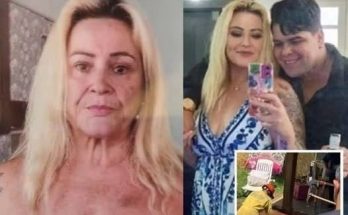
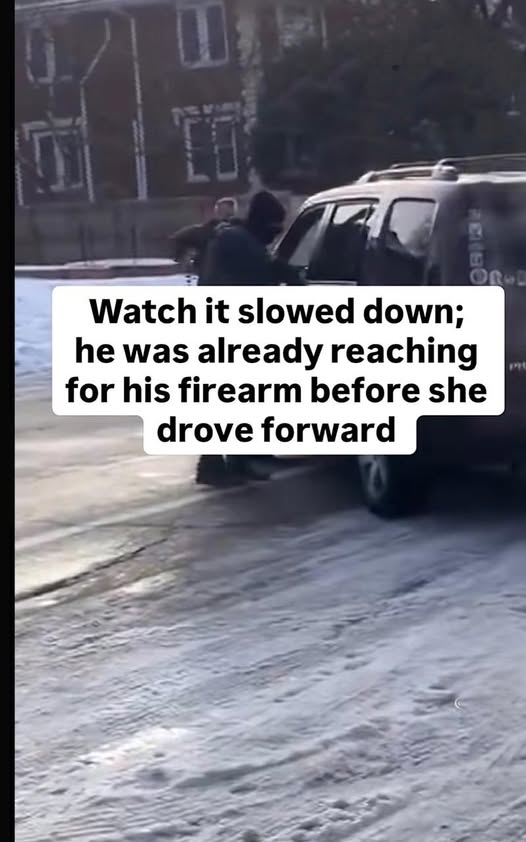
On January 7, 2026, an agent with U.S. Immigration and Customs Enforcement fatally shot a 37-year-old woman during a federal operation in south Minneapolis. The woman was later identified as Renee Nicole Good, a local resident and U.S. citizen. The incident took place during daylight hours and was partially captured on video, footage that circulated rapidly online and intensified public concern.
Federal officials from Department of Homeland Security stated that agents approached Good while she was seated inside her vehicle. According to ICE, the agent involved believed the vehicle posed an immediate threat to officer safety, and the shooting was described as a defensive action during a rapidly unfolding situation.
Homeland Security Secretary Kristi Noem echoed that assessment, saying the agent responded to perceived danger. Federal authorities emphasized that immigration enforcement operations can be unpredictable and often require agents to make split-second decisions under stress.
Local officials, however, have raised questions about that account.
Jacob Frey and other city leaders said that video footage reviewed thus far does not clearly show the vehicle being used as a weapon. While stressing that investigations remain ongoing, they noted that available visuals appear inconsistent with claims of an immediate threat, underscoring the need for an independent and thorough review of the incident.
Witnesses described a brief and confusing encounter. Several said Good appeared to be attempting to move or leave the area when shots were fired. Community members also expressed concern that the operation occurred in a densely populated residential neighborhood, increasing the risk of harm. The fact that the woman killed was a U.S. citizen intensified public reaction and scrutiny.
Within hours of the shooting, protests formed near the scene and later spread into downtown Minneapolis. Demonstrators called for justice, accountability, and changes to federal immigration enforcement practices. Law enforcement monitored the gatherings as city officials urged calm while affirming residents’ right to peaceful protest.
Community leaders adopted a measured but critical tone—condemning violence while questioning the presence and tactics of federal immigration operations within city limits. Some argued that such actions undermine public trust, heighten fear among residents, and increase the risk of tragic outcomes.
The shooting has reignited a broader national debate over immigration enforcement, federal authority, public safety, and standards governing use of force. Advocates for reform point to concerns about oversight and transparency, while supporters of ICE emphasize the dangers agents face and the necessity of responding to perceived threats in the field.
Multiple investigations are now underway at both federal and state levels. Officials have confirmed that body-camera footage, surveillance video, witness testimony, and forensic evidence will be reviewed to reconstruct the sequence of events. Authorities caution that the process will take time, and no final conclusions have been reached.
As of now, no criminal charges have been filed. The agent involved has not been publicly identified and has been placed on administrative leave, which ICE described as standard procedure in officer-involved shootings. The agency says it is cooperating fully with investigators.
For Good’s family and neighbors, vigils and memorials have become spaces of mourning and reflection. Those who knew her described a familiar presence whose death has left a lasting impact on the community. Many are calling not only for answers in this case, but for broader policy reforms aimed at preventing similar incidents.
What remains undeniable is that a life was lost and a community is grieving. Whether the shooting is ultimately deemed justified or ruled an excessive use of force will depend on the findings of the investigations still underway. Until then, the case stands as a sobering reminder of how quickly enforcement encounters can escalate—and how deeply such moments shape public trust.
As investigators continue their work, Minneapolis waits. So does a nation still wrestling with how authority is exercised, how accountability is ensured, and how the law can be enforced without irreversible loss.