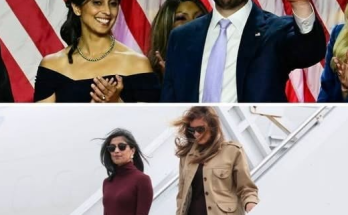

Appearance is never accidental. Long before a woman speaks, her style begins the conversation. Every choice she makes in clothing, grooming, posture, accessories, and even the smallest details communicates silently—but powerfully—who she is. These choices reveal personality, mood, confidence, intelligence, and social awareness, while also reflecting how she relates to the world around her. Style is far more than what hangs in a closet or the label on a dress; it is a visual language through which inner identity becomes visible to others, a signal broadcast before words are ever spoken.
True style is a holistic concept. It is the harmony between the outer presentation and the inner character, the way appearance aligns with personality, values, and emotional intelligence. When these elements are in sync, the result feels authentic, effortless, and commanding. When they aren’t, even the most luxurious wardrobe can feel hollow, performative, or disconnected. That is why style endures long after trends fade. Coco Chanel’s famous assertion—“Fashion fades, but style endures”—remains true precisely because style is rooted in self-knowledge, not mere imitation.
Fashion changes with seasons, designers, and cultural trends. Style evolves with understanding, introspection, and self-expression. A woman may follow every fleeting trend and still retain her individuality, or she may ignore trends entirely and still project a timeless, compelling presence. What matters is not copying but intention. Style reflects how a woman chooses to be seen—and how honestly that image communicates her inner truth.
Over the decades, fashion experts have identified several core style archetypes, though none are rigid. These archetypes serve as reference points rather than boxes. Most women move fluidly between them, blending elements according to circumstance, mood, or personal evolution. Understanding these archetypes provides clarity and insight into one’s personal aesthetic without limiting freedom of expression.
The classic style is rooted in restraint, balance, and timelessness. Women who embody this style favor structure, quality, and understatement. Clean lines, neutral colors, tailored silhouettes, and minimal embellishment dominate. This style conveys reliability, maturity, and quiet authority. It does not shout or seek attention—it holds it effortlessly, reflecting confidence that is calm and self-contained. Classic women often invest in pieces that last, valuing durability and elegance over novelty. Their wardrobe is an extension of poise and thoughtful presentation.
The business style is purposeful and strategic, projecting competence and control in professional settings. Sharp tailoring, controlled color palettes, and polished details dominate this look. Women who favor business style use clothing as a tool to communicate focus, discipline, and authority. The emphasis is on clarity and efficiency rather than flamboyance. This aesthetic signals capability, preparation, and seriousness, blending fashion with functionality to enhance presence in meetings, presentations, and negotiations.
The Chanel-inspired style blends elegance with ease. It values refinement without rigidity, femininity without fragility. Simple dresses, structured jackets, pearls, and subtle accessories define this look. Women drawn to this style appreciate tradition, craftsmanship, and subtle luxury. Confidence here is calm and understated, never forced. There’s a sense of effortless grace: clothing does not overpower, but enhances a woman’s natural poise.
The romantic style emphasizes softness, emotion, and grace. Flowing fabrics, gentle colors, floral patterns, lace, and delicate details characterize it. This style often reflects creativity, sensitivity, and emotional openness. Romantic women express themselves intuitively, allowing beauty and artistry to shape their external presentation. Their style often resonates with warmth, approachability, and a poetic sensibility.
The sporty style prioritizes movement, energy, and comfort. Functional fabrics, clean lines, and relaxed silhouettes dominate. Sporty style communicates practicality, independence, and an active lifestyle. Women who embrace sporty aesthetics value health, freedom, and authenticity, often blending casual elements with thoughtful coordination to maintain a polished but effortless presence.
The avant-garde style thrives on experimentation and bold, unconventional choices. Dramatic proportions, unexpected shapes, asymmetry, and striking contrasts define this aesthetic. Women drawn to avant-garde fashion often challenge norms, express abstract ideas visually, and approach clothing as a medium for personal storytelling. Their style signals innovation, creativity, and fearless self-expression.
The folklore style draws inspiration from heritage and tradition. Handcrafted details, embroidery, natural fabrics, and symbolic patterns connect a woman to culture, history, and identity. This style often reflects a desire to honor roots, preserve memory, and celebrate storytelling through textiles and design. Women embracing folklore aesthetics convey depth, authenticity, and a connection to the past, bringing personal narrative into everyday presentation.
The fantasy style is theatrical, imaginative, and playful. Bold textures, elaborate makeup, whimsical accessories, and dramatic silhouettes define it. This aesthetic blurs the line between reality and imagination, creating a sense of spectacle. Women who wear fantasy-inspired clothing approach style as an art form, turning appearance into a creative playground for expression and emotional storytelling.
The diffuse style combines elements from multiple aesthetics, resisting categorization. This approach reflects adaptability, fluidity, and an openness to experimentation. Women whose style is diffuse navigate transitions in life, mood, and circumstance, creating a unique aesthetic that is impossible to predict but unmistakably personal.
The glamour style is unapologetically bold. Shine, drama, fitted silhouettes, and attention-commanding details define it. Glamour communicates confidence, sensuality, and presence. Done well, it is not about excess but about control and intention. It says: “I am here. I am seen. I am not hiding.” Glamour works as both performance and affirmation, projecting strength while celebrating individuality.
No style exists in isolation. A woman may dress classically for work, romantically on weekends, and boldly for special occasions. Style is dynamic, just as life is dynamic. The most compelling personal style evolves while remaining recognizable—fluid but coherent, expressive yet aligned with core identity.
Age does not dictate style; maturity enhances it. Over time, women often move from experimentation to intentionality. Clothes become tools of expression rather than validation. Style deepens with lived experience, shifting focus from impressing others to embodying authenticity. Emotional transitions—confidence, grief, renewal, joy—often manifest visually, reflecting the internal world before words can. Style becomes a mirror of inner life, revealing nuance, courage, and self-awareness.
Ultimately, appearance is about alignment, not approval. When a woman’s external image mirrors her internal truth, the impact is undeniable. She moves differently, speaks differently, and occupies space naturally. Fashion provides tools, but style imparts meaning. Trends may fade; cultural pressures may shift; yet the most enduring style is rooted in authenticity, self-knowledge, and the courage to be fully seen as oneself.
Appearance is intentional, style is expression, and when the two converge, the result is unmistakable: a woman fully alive, fully present, and fully herself.